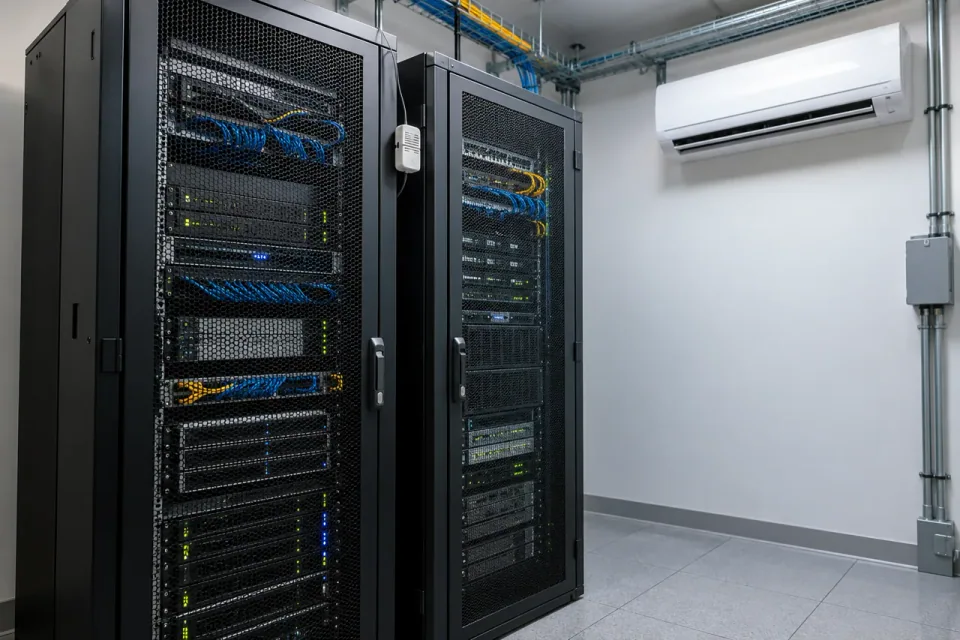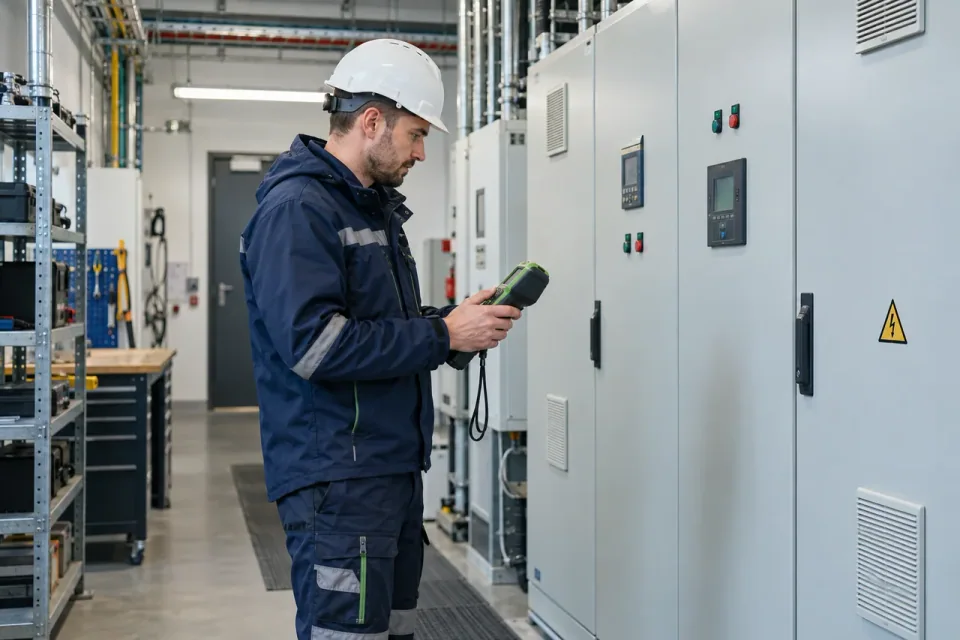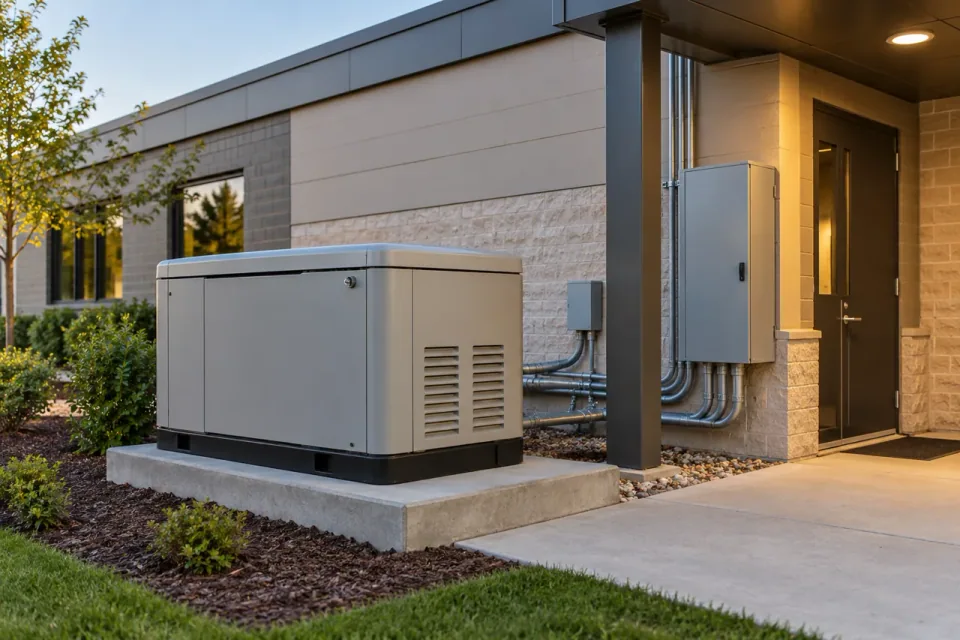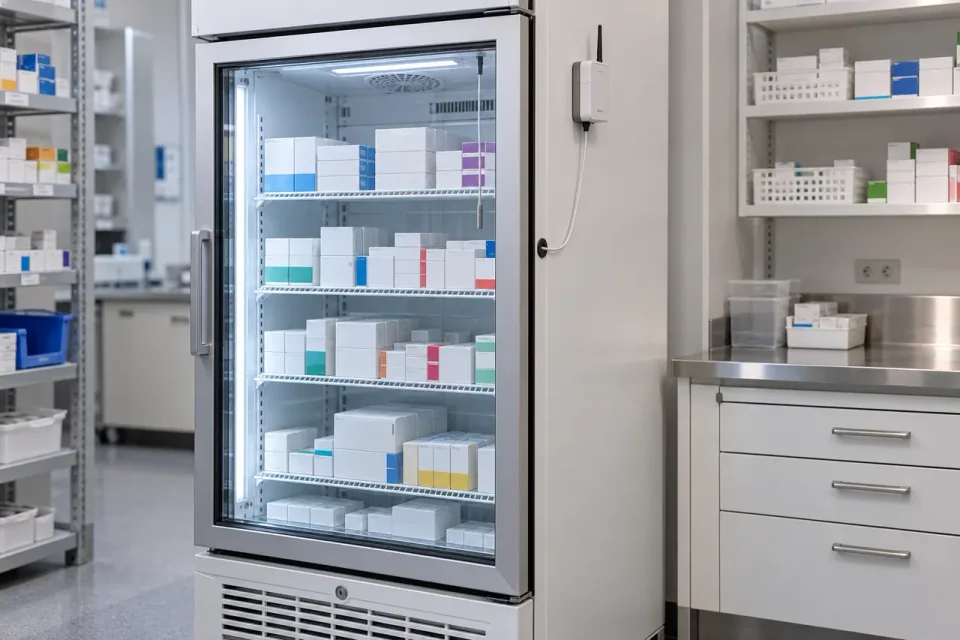
Monitoring temperature and events that may affect stored medicines and other facility resources. We draw on the existing Opomiarowani service scope.
Storage temperature as a process, not just a sensor
A refrigerator display does not automatically provide a history of conditions or effective alarms after a pharmacy has closed. When implementing monitoring, we establish the type of stock, its documented requirements, staff responsibilities and the response to an excursion.
We do not impose one temperature range on all products. Thresholds, delays and assessment arrangements are agreed with the person responsible for storage. DATPOL provides technical information and history; authorised personnel assess the suitability of medicines or materials.
What can the DATPOL Healthcare scope include?
Temperature sensors, history, minimum and maximum readings, and reports.
Available signals for power failure, open doors and water leaks.
Alarm thresholds and delays agreed with the responsible person.
Alarm recipients, deputies and escalation after the facility has closed.
FROM SENSOR TO INFORMATION
Equipment matched to the application
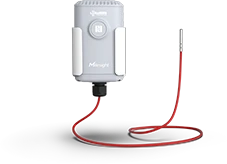
Sensor with a probe
Readings at an agreed point in a fridge or system.
Discuss selection →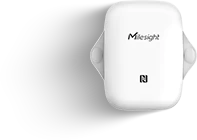
Temperature and humidity
Room conditions and historical changes.
Discuss selection →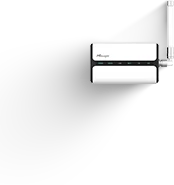
Communications gateway
Links compatible sensors to the monitoring system.
Discuss selection →Illustrative device types. Sensor selection, calibration, positioning and alarm thresholds must be agreed for the specific application.
Discuss equipment selection →Measurement location, history and data quality
Probe placement affects how a reading is interpreted. Door opening, temperature distribution and equipment characteristics must be considered. Calibration, mapping and quality documentation require a separately agreed scope; they do not follow automatically from installing any sensor.
The history should include measurement times, units and information on completeness. We distinguish a temperature excursion from a loss of communication or a missing fresh reading. Assessing a gap requires the time zone and the ability to reconstruct the sequence of events.
An alarm that reaches the right person
Together with the facility, we agree recipients, deputies, service hours and escalation. Sending a notification alone does not confirm action. It is worth defining who checks conditions locally, who decides on the product and who reports a technical fault.
Available signals for door opening, power loss or water leaks can help explain an event. Monitoring connectivity and its power supply should be considered alongside the refrigerator so that the alarm does not disappear precisely when it is needed.
From implementation to maintenance
Acceptance includes checking readings and time, testing an agreed alarm and handing over operating instructions. Staff should know where to find the history and how to distinguish current status from archived data.
Maintenance takes account of sensor condition, communications, batteries, recipient changes and periodic procedure reviews. The solution develops the existing Opomiarowani services within the DATPOL Healthcare specialism.
A PRACTICAL FIRST STEP
What should you prepare for a discussion?
- The facility type and location, and the people responsible for each area.
- Documentation for existing equipment and installations, where available.
- A description of problems, previous failures and the intended outcome.
- Access restrictions and permitted dates for work and testing.
- The existing maintenance scope and contacts for relevant suppliers.
- Planned changes to equipment or working arrangements.
Questions before working together
Does monitoring determine whether a medicine is suitable after an excursion?
No. Monitoring provides measurements and history. Authorised personnel assess the product in accordance with its documentation and the facility's procedure.
Where does defining the scope begin?
With an assessment of existing systems, documentation and the impact on the facility's work. We agree objectives, access, responsibility and acceptance criteria before selecting a solution.
Can only part of an existing system be upgraded?
Yes, where the installation's condition, documentation and equipment compatibility allow it. We first check limitations, phases and the conditions for carrying out the work safely.
Can the system be covered by a maintenance service after the work?
We agree inspections, monitoring and fault handling separately. Support hours, on-call cover and response times follow the contract, not merely the system's presence in a portal.
Related DATPOL service: Refrigerators and storage conditions.