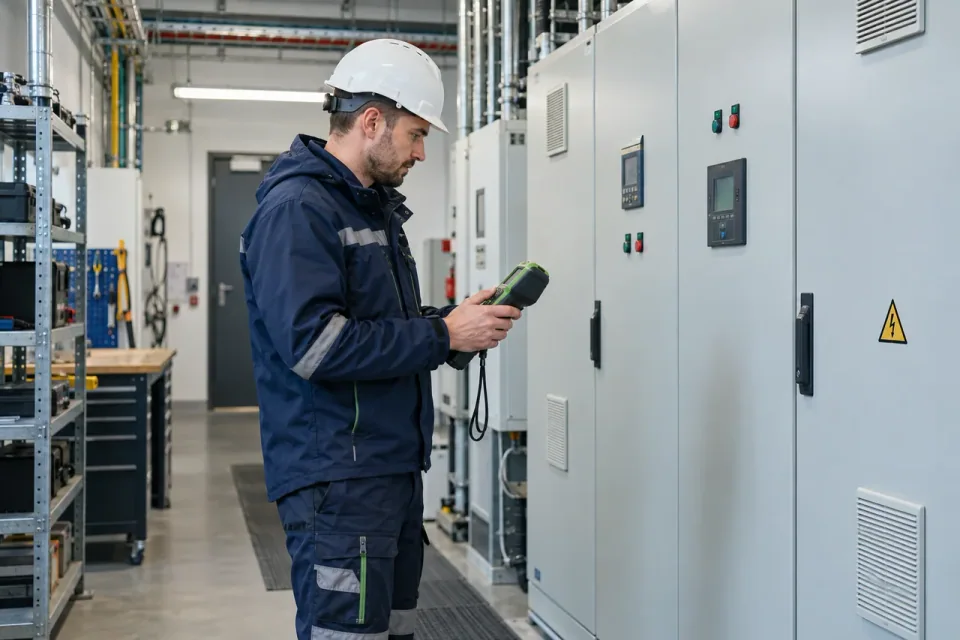
Power provision matched to the loads, their importance and backup requirements. We combine equipment selection with testing and ongoing maintenance.
Power planning starts with dependencies, not a UPS catalogue
In a healthcare facility, simply adding up equipment ratings is not enough. Reception, networks, telephony, automation, refrigerators and staff workstations may use different circuits while depending on the same switch or power supply. We identify these dependencies and the loads whose failure would disrupt a particular part of the facility.
Selection is based on actual loads, their characteristics, starting currents and expected behaviour following mains failure. We agree what must run without interruption, what can wait for the generator to start and what can safely be shut down. We do not assign one backup duration to all equipment.
What can the DATPOL Healthcare scope include?
UPS, batteries and power for selected support-area circuits.
Generators and automatic transfer switching (ATS) systems.
Monitoring available status signals: mains, battery, bypass, load and readiness.
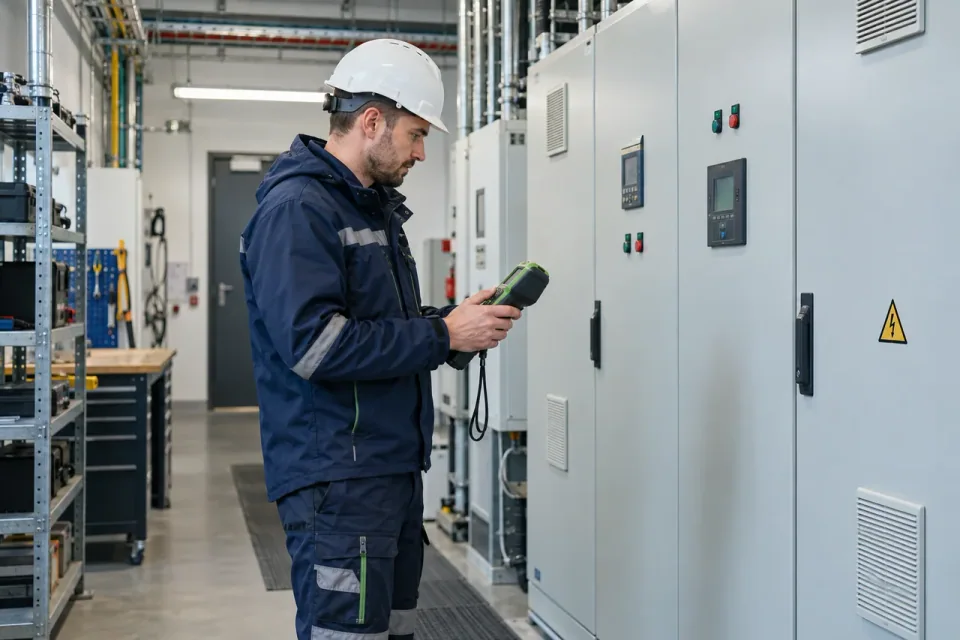
Testing, inspections and documentation of the agreed scope.
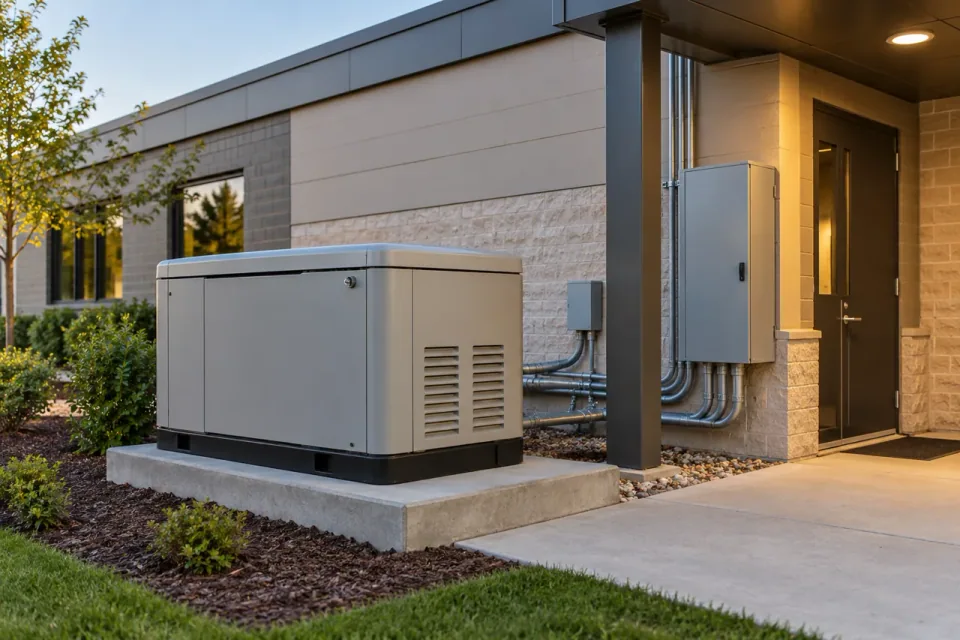
UPS, generator and ATS working together
A UPS supports designated loads and can limit the effects of a short interruption during source transfer. A generator provides longer-duration power within the agreed scope. Automatic transfer switching coordinates the change between sources, but its interaction with the UPS, protective devices and loads must be checked.
The design considers serviceability, bypass circuits, protective device selectivity and equipment access. Battery operating conditions and an inspection plan are equally important. Selecting a solution for medical equipment requires consideration of the manufacturer's documentation and the requirements of the specific room.
Monitoring readiness beyond a status light
Where equipment supports it, load, operating mode, battery condition, bypass, voltage presence and generator readiness can be monitored. Successful communication does not prove that the entire system will pass a load test. We therefore distinguish parameter monitoring from periodic operational testing.
We agree alarm recipients, acknowledgement arrangements and situations requiring intervention. Missing data is a separate event: a correct reading from several hours ago should not create an impression of current readiness.
Testing and documentation for a real power failure
We plan tests with the facility so that their impact on the ward, reception and support areas is understood. The scenario covers source failure, backup response, transfer and a safe return. The test scope reflects the documentation and what can be carried out in an operating building.
After the work, we organise diagrams, the list of protected circuits, settings, test results and fault reporting instructions. This helps preserve continuity when personnel change or the facility expands.
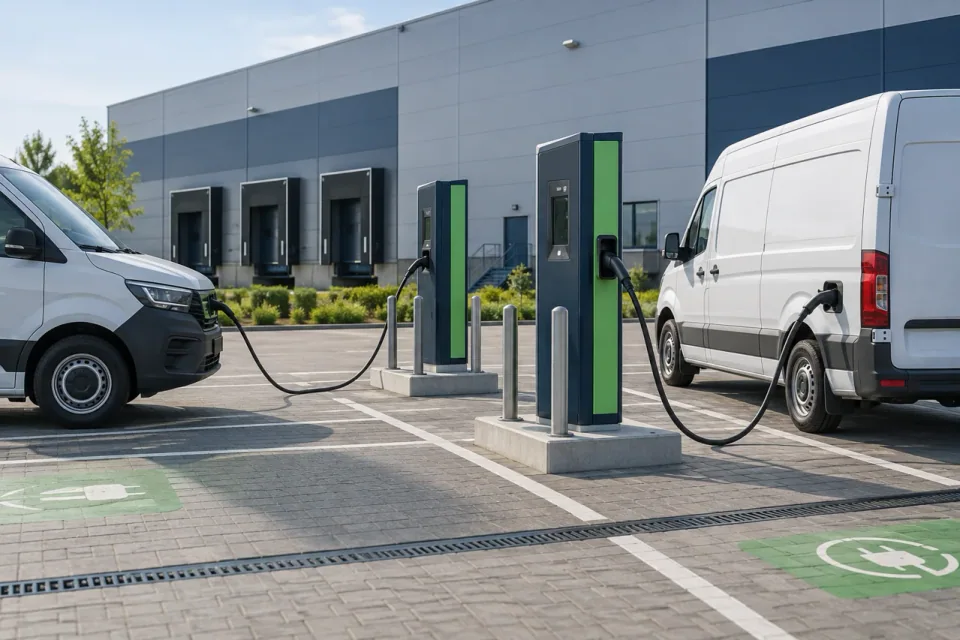
Backup power for ambulance charging bays
EV infrastructure is treated as a separate load within the facility’s power assessment. We agree which bays should operate during a mains outage, their permitted load and the sequence for restoring sessions. The backup source must suit the chargers’ actual power circuits and equipment requirements.
Testing covers source transfer, starting under load, EMS limits and the return to mains power. A UPS can protect communications and controls, while continuity of charging itself needs a separately engineered power arrangement. Scope and acceptance criteria are agreed with the facility and fleet operator.
A PRACTICAL FIRST STEP
What should you prepare for a discussion?
- The facility type and location, and the people responsible for each area.
- Documentation for existing equipment and installations, where available.
- A description of problems, previous failures and the intended outcome.
- Access restrictions and permitted dates for work and testing.
- The existing maintenance scope and contacts for relevant suppliers.
- Planned changes to equipment or working arrangements.
Questions before working together
Do a UPS and a generator perform the same function?
No. A UPS supports selected loads and may bridge the transfer period. A generator provides different power capabilities. Their selection and interaction with automatic transfer switching require an assessment of the installation.
Where does defining the scope begin?
With an assessment of existing systems, documentation and the impact on the facility's work. We agree objectives, access, responsibility and acceptance criteria before selecting a solution.
Can only part of an existing system be upgraded?
Yes, where the installation's condition, documentation and equipment compatibility allow it. We first check limitations, phases and the conditions for carrying out the work safely.
Can the system be covered by a maintenance service after the work?
We agree inspections, monitoring and fault handling separately. Support hours, on-call cover and response times follow the contract, not merely the system's presence in a portal.
Related DATPOL service: Backup power and UPS.