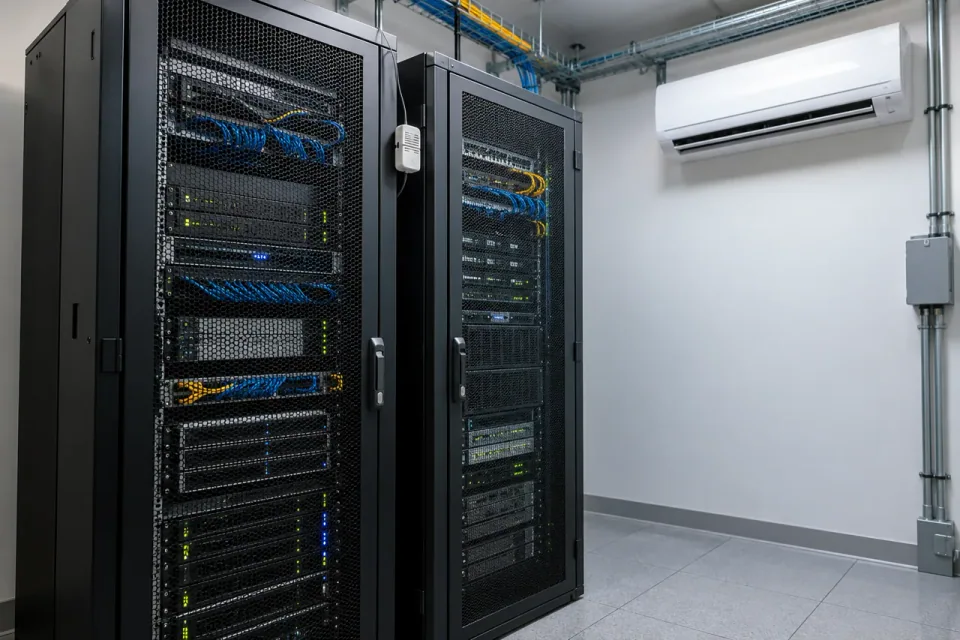
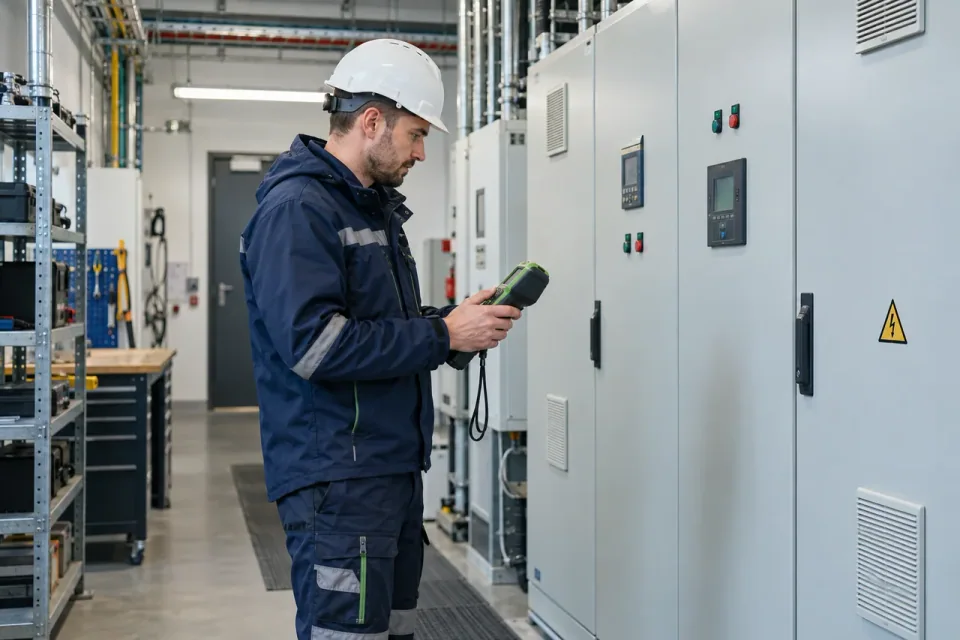
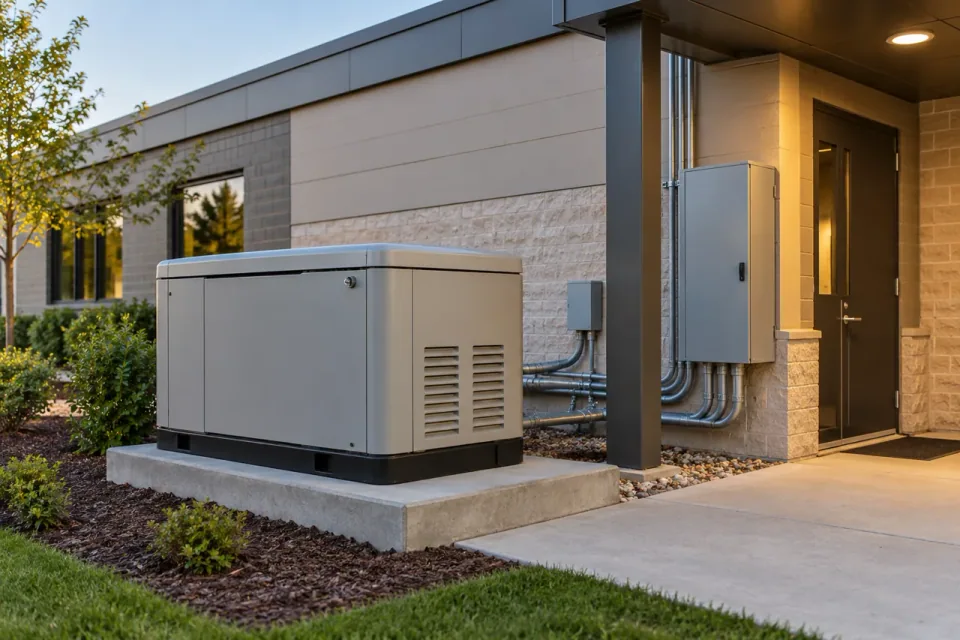
Protecting entrances, deliveries, support areas and restricted zones. We select security measures with patient privacy and the facility's organisation in mind.
Security matched to each area's function
Entrances, deliveries, stores and support areas have different security needs. We begin CCTV and access control selection with the objective, area and responsibility for operation. Patient privacy and staff working arrangements are also important in a healthcare facility.
We do not assume that every room should be monitored. Camera locations, fields of view, retention and permissions are agreed with the data controller and those responsible for the facility.
What can the DATPOL Healthcare scope include?
CCTV and availability diagnostics for cameras and recorders.
Access control and permissions for designated areas.
Intruder alarm systems and interfaces with the wider infrastructure.
Inspections, event history and fault handling within the agreed scope.
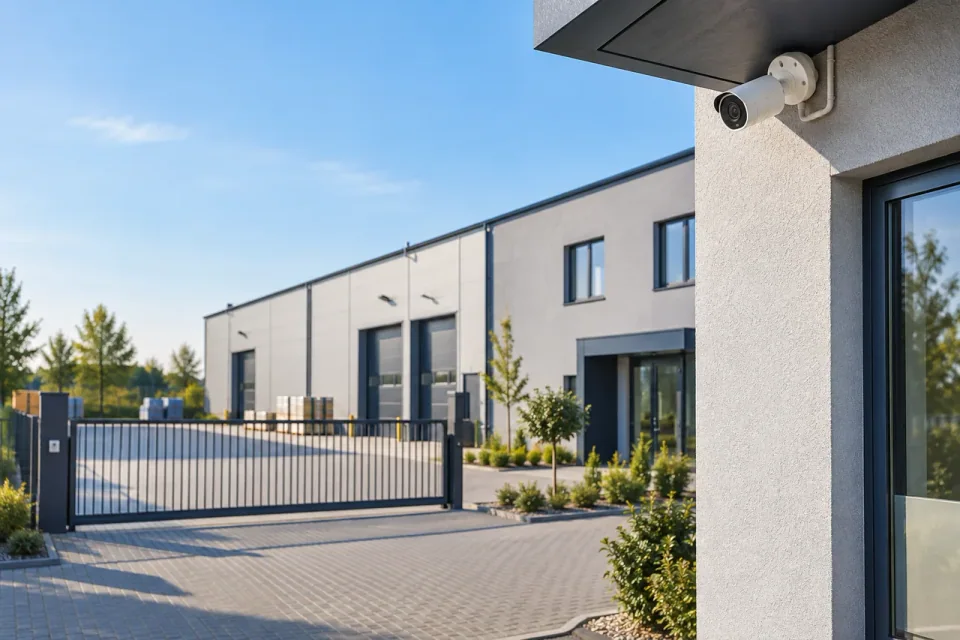
CCTV: live images, recording and finding an event
System checks should cover cameras, the recorder, time, recording and the ability to replay a selected period. A camera responding on the network does not prove archive continuity or a healthy disk.
Settings are selected with the purpose of observation, lighting, connections and storage in mind. Exporting and sharing recordings require appropriate permissions and the facility's procedures.
Access control and organised permissions
We establish who needs access to each area and how staff and supplier changes are managed. Technical access, everyday door operation and interfaces with safety systems require a coordinated agreement.
Available events and signals assist diagnosis. Their interpretation must take account of the actual condition of equipment, power supplies and connections.
Maintaining the complete chain
Availability monitoring, configuration backups and inspections help reduce uncertainty after a fault. Within the agreed scope, we also check networks, clocks and power supplies that affect security systems.
After the work, we organise documentation, the equipment list and reporting arrangements. The offer develops DATPOL's existing security services, with responsibilities defined by the agreed scope.
A PRACTICAL FIRST STEP
What should you prepare for a discussion?
- The facility type and location, and the people responsible for each area.
- Documentation for existing equipment and installations, where available.
- A description of problems, previous failures and the intended outcome.
- Access restrictions and permitted dates for work and testing.
- The existing maintenance scope and contacts for relevant suppliers.
- Planned changes to equipment or working arrangements.
Questions before working together
Does an available camera mean that recordings are complete?
No. Camera availability must be distinguished from recording status, storage media, correct time and the ability to replay the archive.
Where does defining the scope begin?
With an assessment of existing systems, documentation and the impact on the facility's work. We agree objectives, access, responsibility and acceptance criteria before selecting a solution.
Can only part of an existing system be upgraded?
Yes, where the installation's condition, documentation and equipment compatibility allow it. We first check limitations, phases and the conditions for carrying out the work safely.
Can the system be covered by a maintenance service after the work?
We agree inspections, monitoring and fault handling separately. Support hours, on-call cover and response times follow the contract, not merely the system's presence in a portal.
Related DATPOL service: CCTV, access control and security integration.