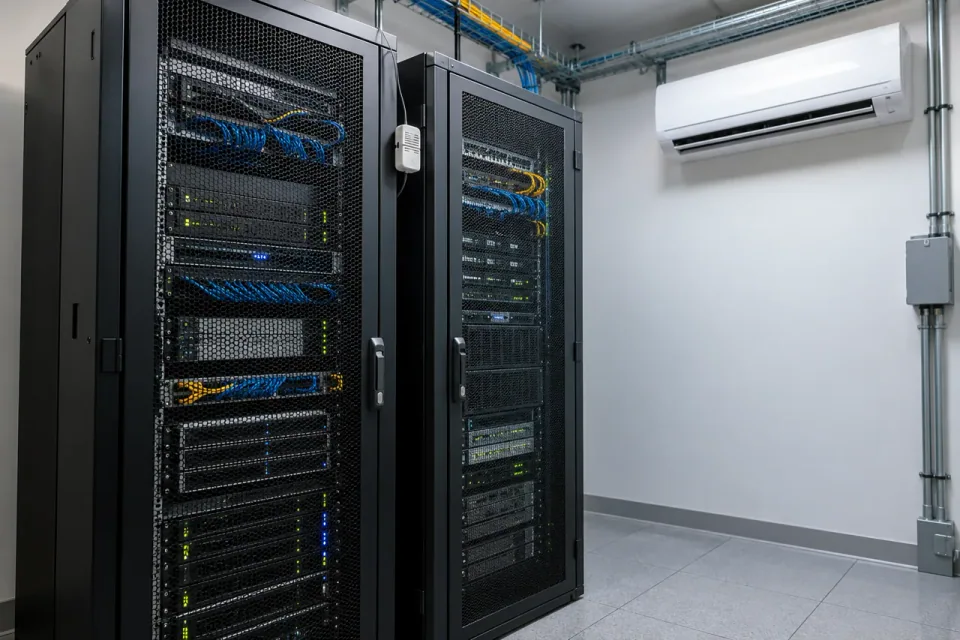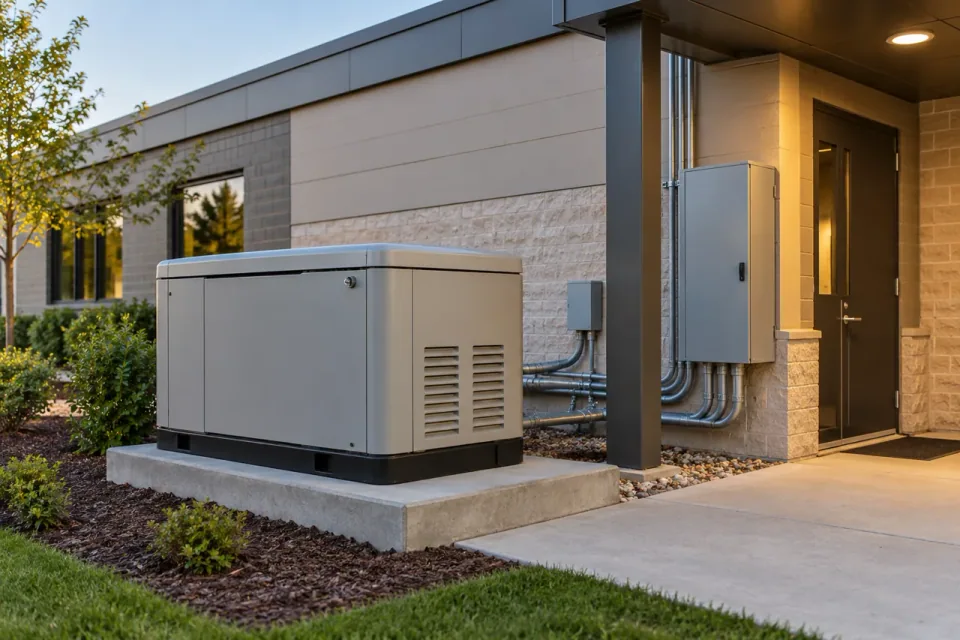
Testing helps establish the condition of an installation. Monitoring shows changes in conditions, while an agreed procedure identifies who will act.
Testing matched to the installation and its use
Electrical testing in a hospital, pharmacy or residential care home should cover the actual installation, not just rooms available on the day. Before starting, we establish circuits, distribution boards, documentation, access and restrictions associated with the facility's work. We explain which activities require a shutdown and who approves the timing.
The scope may include protection against electric shock, insulation resistance, RCDs, protective bonding and earthing. Methods are selected for the particular installation. Specific medical-location requirements must be considered in the documentation and organisation of testing.
What can the DATPOL Healthcare scope include?
Initial and periodic testing of electrical installations.
Checks of protection against electric shock, insulation, RCDs and earthing.
Thermal imaging and documented results and findings.
Monitoring parameters, history, alarms and missing fresh data.
FROM SENSOR TO INFORMATION
Equipment matched to the application
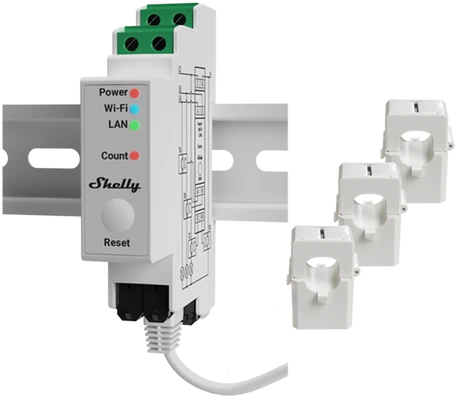
Energy metering
Consumption readings for the specified circuits.
Discuss selection →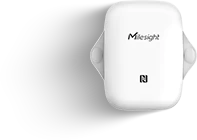
Temperature and humidity
Room conditions and historical changes.
Discuss selection →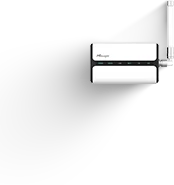
Communications gateway
Links compatible sensors to the monitoring system.
Discuss selection →Illustrative device types. Sensor selection, calibration, positioning and alarm thresholds must be agreed for the specific application.
Discuss equipment selection →A report that supports action
A well-prepared test report links a result to a specific circuit or item of equipment. It records the scope, date, conditions, instrument used and findings. It helps distinguish a fault requiring action from an area that could not be tested because access was unavailable.
We discuss results with the person responsible for infrastructure. Recommendations can be divided into urgent action, planned repairs and upgrades. Handing over a file does not resolve an issue if nobody knows which component needs attention.
Thermal imaging and parameter monitoring
Thermal imaging can help identify unusual heating in connections and equipment under an appropriate load. Results must be considered in relation to the measurement conditions; not every temperature difference is a confirmed fault. We identify areas requiring further investigation.
Monitoring consumption, voltage and available parameters adds to the picture of an installation between visits. History helps identify timing relationships and compare loads. It does not replace testing, visual inspection or assessment by an appropriate person.
Work in an occupied, operational building
For a ward, reception or pharmacy, the work plan is essential: the sequence of rooms, alternative workstations and confirmation that power has been restored. We agree contacts and how areas being checked will be identified.
A maintenance model can bring testing, inspections and fault rectification into one plan. It remains clear what was tested, what was repaired and what awaits a separate agreement.
A PRACTICAL FIRST STEP
What should you prepare for a discussion?
- The facility type and location, and the people responsible for each area.
- Documentation for existing equipment and installations, where available.
- A description of problems, previous failures and the intended outcome.
- Access restrictions and permitted dates for work and testing.
- The existing maintenance scope and contacts for relevant suppliers.
- Planned changes to equipment or working arrangements.
Questions before working together
Where does defining the scope begin?
With an assessment of existing systems, documentation and the impact on the facility's work. We agree objectives, access, responsibility and acceptance criteria before selecting a solution.
Can only part of an existing system be upgraded?
Yes, where the installation's condition, documentation and equipment compatibility allow it. We first check limitations, phases and the conditions for carrying out the work safely.
Can the system be covered by a maintenance service after the work?
We agree inspections, monitoring and fault handling separately. Support hours, on-call cover and response times follow the contract, not merely the system's presence in a portal.
Related DATPOL service: Testing, monitoring and alarms.