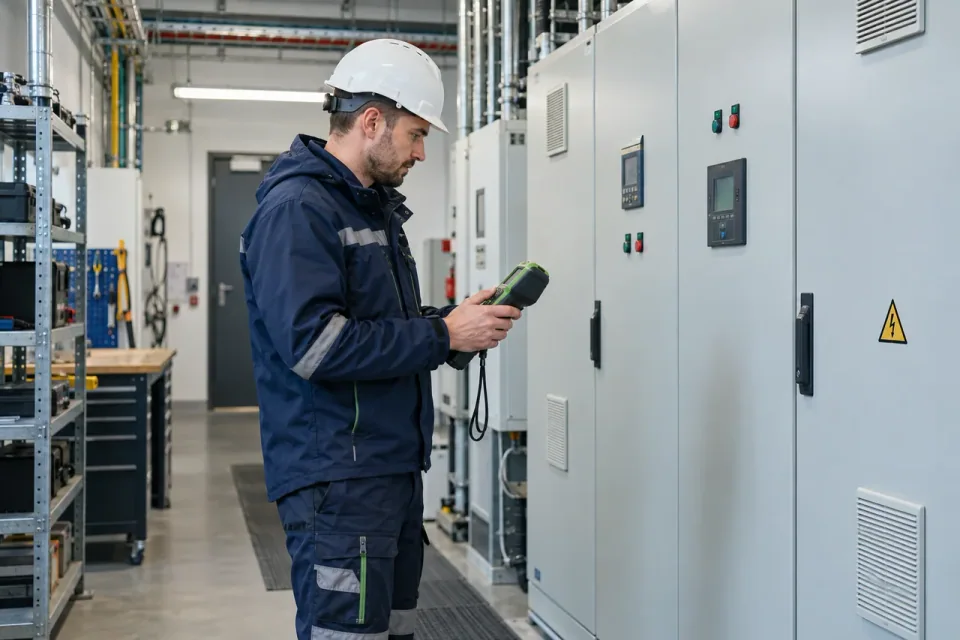
Connectivity for staff, reception and technical infrastructure. We design networks around coverage, performance, continuity and the separation of different uses.
One facility, different communication requirements
A network for reception, telephony, cameras, staff and guests should not be designed as a collection of unrelated access points. We first assess applications, equipment, cable routes, cabinets and power dependencies. We establish which connections are needed for everyday work.
We agree the requirements of medical equipment and specialist systems with their suppliers. We do not change configurations on the assumption that every device behaves like an ordinary computer. Upgrades are planned with those responsible for the facility's processes.
What can the DATPOL Healthcare scope include?
LAN cabling, cabinets and network equipment.
Wi-Fi installations and coverage planned around the building layout.
Segregation of staff, guest, camera and automation networks.
VPN, controlled service access, monitoring, configuration backups and updates.
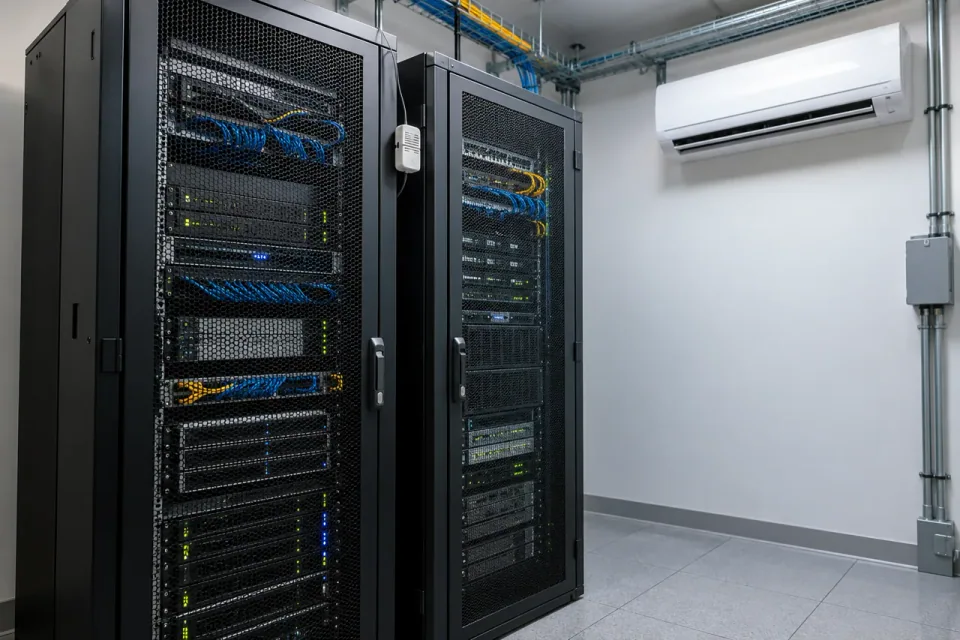
LAN, Wi-Fi and network segmentation
We select cabling, active equipment and Wi-Fi access point locations to suit the layout and expected demand. Coverage checks must reflect the actual building, its obstructions and how the network is used.
Separating uses helps restrict unnecessary connections between guests, staff workstations, automation and CCTV. Access rules follow communication needs. Segmentation should be documented and tested so that required services remain available.
Controlled service access
Remote maintenance requires a defined user, access scope and working period. VPN solutions, permissions and configuration backups organise support, but their effectiveness depends on up-to-date accounts and agreements with suppliers.
Monitoring availability, port errors and load helps identify problems before staff report them. The change history, cabinet power supply and ability to restore a configuration after replacing equipment are also important.
Upgrades without unplanned interruptions
The changeover plan includes maintenance windows, the sequence of work and arrangements for returning to the previous state. We test agreed services with users, rather than checking only whether equipment responds to a ping.
After acceptance, the facility receives connection documentation and the agreed maintenance model. Support may include updates, backups, fault response and an expansion plan, with clearly defined hours and responsibilities.
A PRACTICAL FIRST STEP
What should you prepare for a discussion?
- The facility type and location, and the people responsible for each area.
- Documentation for existing equipment and installations, where available.
- A description of problems, previous failures and the intended outcome.
- Access restrictions and permitted dates for work and testing.
- The existing maintenance scope and contacts for relevant suppliers.
- Planned changes to equipment or working arrangements.
Questions before working together
Where does defining the scope begin?
With an assessment of existing systems, documentation and the impact on the facility's work. We agree objectives, access, responsibility and acceptance criteria before selecting a solution.
Can only part of an existing system be upgraded?
Yes, where the installation's condition, documentation and equipment compatibility allow it. We first check limitations, phases and the conditions for carrying out the work safely.
Can the system be covered by a maintenance service after the work?
We agree inspections, monitoring and fault handling separately. Support hours, on-call cover and response times follow the contract, not merely the system's presence in a portal.
Related DATPOL service: LAN and Wi-Fi networks for facilities.