At a healthcare facility, a computer, account or server problem can quickly affect reception, pharmacy operations and staff. DATPOL Healthcare builds on DATPOL’s existing infrastructure capabilities and the DATPOL CARE ongoing support model. We assess the environment, identify dependencies and agree which components we maintain and which remain with specialist system suppliers.
Environment assessment and service transition
We start by documenting computers, servers, services, licences and administrative accounts. We review available records, update status, backup arrangements and dependencies on internet connectivity, networks and UPS systems. We identify contacts and suppliers whose involvement is needed for changes.
The outcome is an agreed responsibility matrix, priorities and an improvement plan. Transition can be staged: access and backups first, followed by monitoring, workstations and upgrades. The facility retains visibility of its assets and access arrangements.
Computers, reception and staff support
Support can include workstation setup and replacement, operating system configuration, printers, scanners and agreed applications. We organise user profiles, resource access and equipment standards, taking shared workstations and shift patterns into account.
Remote assistance and site visits follow agreed reporting arrangements. Each request should have an owner, a priority and a record of work carried out. Following workstation changes, we check agreed functions with the user rather than only confirming that the system starts.
Servers, virtualisation, files and email
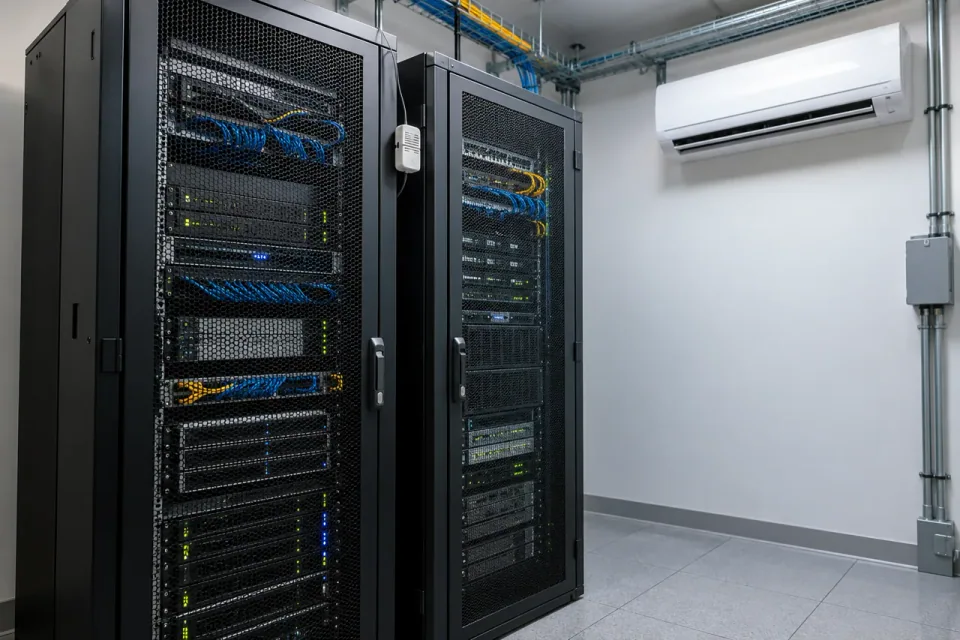
We administer agreed servers, virtual environments, file resources and access services. We monitor availability, capacity, faults and backup status. Expansion planning considers licensing, vendor support and recovery after failure.
We organise support for the facility’s email and cloud services within the licences and permissions held. Migrations require a plan, a backup and agreement on disruption. Responsibility for a clinical or pharmacy application is distinguished from responsibility for its server and connectivity.
Backups and practical recovery
We establish which data, configurations and services need protection and what data loss and disruption the facility can accept. We agree schedules, retention and backup locations, considering separation from everyday accounts and protection of an additional copy against alteration or deletion.
A completed backup job does not by itself establish that operations can resume. We plan recovery tests for selected files or services, record the results and identify dependencies needed for restoration. Data access and test scope are agreed with the facility’s responsible representative.
Accounts, permissions and IT security
We implement agreed processes for creating, changing and disabling accounts when roles change or employment ends. We organise permissions for folders, services and administration. Where supported, this includes MFA and controlled remote access.
The scope can include endpoint and server protection, updates, event monitoring and vulnerability assessment within an agreed environment. Changes are tested for application compatibility. Exceptions for older systems are documented with an owner and a risk reduction plan.
Networks, power and supplier coordination
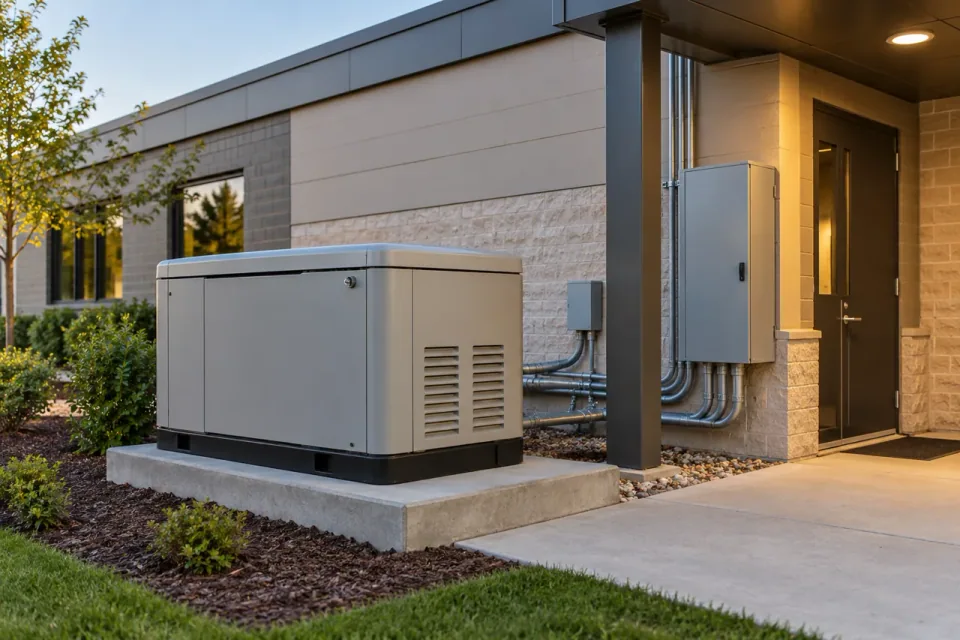
We connect IT support with LAN, Wi-Fi, internet services, telephony and backup power. Staff, guest and device access is separated according to communication needs. We assess where one switch, connection or UPS failure could interrupt several services at once.
We coordinate with clinical, pharmacy and laboratory system suppliers during diagnostics and planned work. Service access has a defined scope and responsible person. Changes affecting medical equipment require confirmation from the relevant supplier and the facility.
Maintenance, documentation and development planning
Ongoing support brings together requests, monitoring, backup review and update planning. We agree incident priorities and escalation to other suppliers. Work can be delivered remotely and on site within agreed support hours and availability.
The facility receives organised asset and change records, recommendations and a replacement plan for components that limit reliability. The service can support an internal IT team or cover agreed operation of the environment. The aim is clear responsibility and fewer interruptions for staff.
A PRACTICAL FIRST STEP
What should you prepare for a discussion?
- A list of sites, workstations, servers and services.
- Suppliers of clinical, pharmacy and laboratory applications.
- Current documentation, licences and support contracts.
- Backup scope and the latest recovery test results.
- Recurring problems and the facility’s operating hours.
- People authorised to approve access, changes and priorities.
Questions before working together
Can you support our internal IT team?
Yes. We agree responsibilities, access and escalation. The scope can cover selected systems, backups, monitoring or on-site work.
Does support include our clinical or pharmacy application?
This is agreed with the facility and application supplier. We can cover workstations, servers, networks and request coordination; application changes require appropriate authorisation and vendor support.
Does a backup guarantee complete recovery?
Recovery depends on protected resources, retention and test results. We agree expectations, test a selected scenario and document limitations.
Is support available around the clock?
Support hours, on-call cover, priorities and response times are defined in the contract. Monitoring alone does not establish round-the-clock support cover.
Related DATPOL service: DATPOL CARE — ongoing infrastructure support.