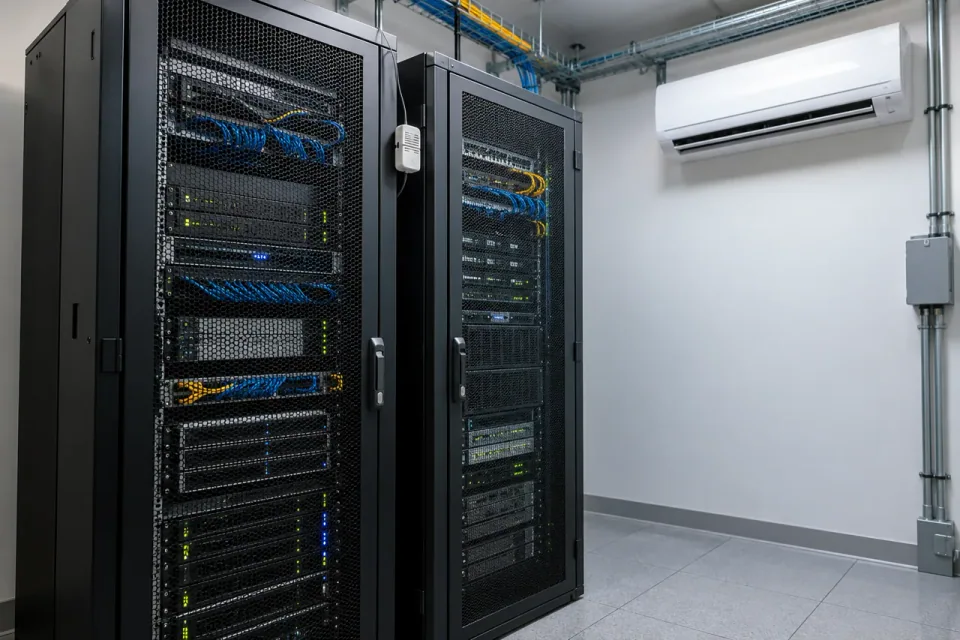
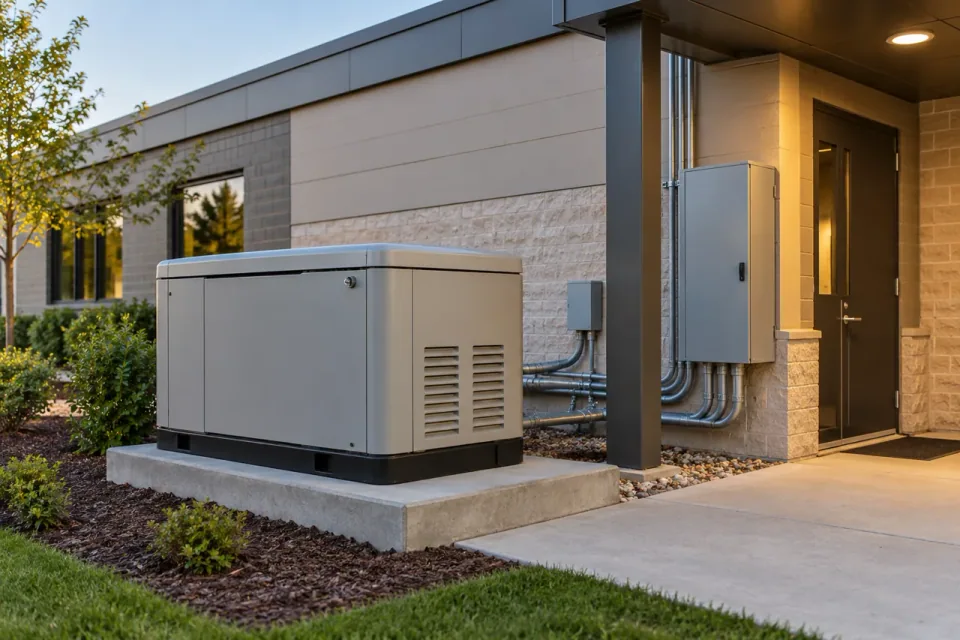
DATPOL Healthcare organises cooperation around one technical infrastructure for the facility. Its maintenance model builds on the existing DATPOL CARE service.
Taking over maintenance begins with understanding the building
A facility may have many correctly operating devices without clear responsibility for how they work together. We inventory systems, documentation, service access, suppliers and dependencies on the network and power supply.
We distinguish systems included in the maintenance scope, those requiring a separate contractor and those outside the agreement. We do not promise to take over any system without checking documentation, access and support options.
What can the DATPOL Healthcare scope include?
An inventory of systems, documentation and dependencies.
One point of contact and an agreed division of responsibility.
Monitoring, inspections, tests, work history and reporting.
Response planning, escalation and budgeting for upgrades.
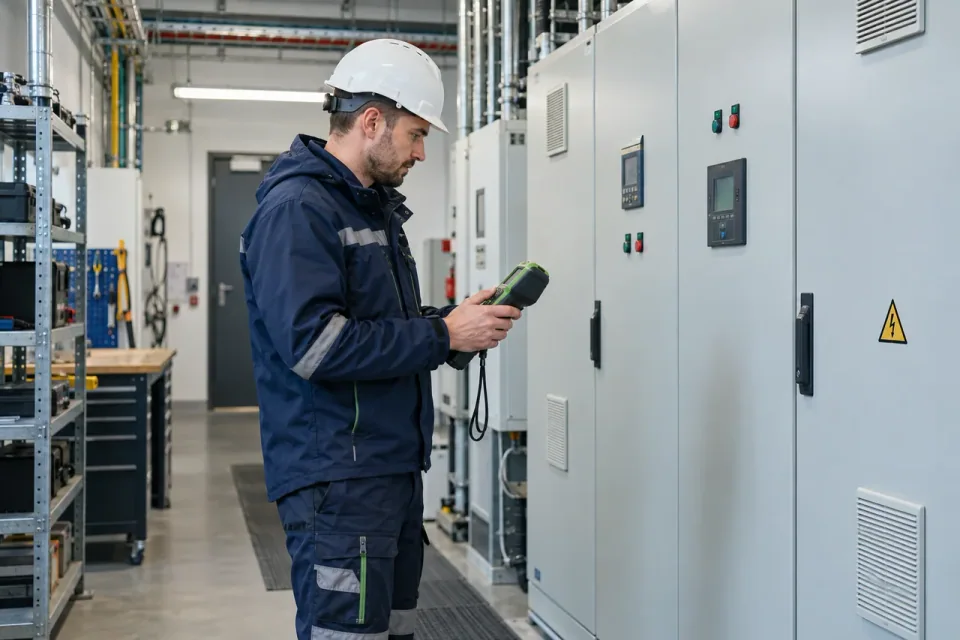
A maintenance plan, rather than action only after a failure
The plan includes agreed inspections, tests, backups, updates and ways to verify available signals. A shared work schedule makes access easier to organise and reduces unplanned shutdowns while the facility is operating.
Results should identify completed activities, outstanding findings and further decisions. A report should support risk and budget management, rather than merely confirm that a visit took place.
Reporting, diagnosis and escalation
We agree a point of contact, the information needed in a fault report and how priorities are set. A description of the symptom, location and operational impact is more useful than a general statement that the system does not work.
Service hours, response times, on-call cover and site attendance arrangements are set out in the contract. Technical monitoring does not automatically provide round-the-clock staffing or an immediate site visit. Responsibility for local action remains clearly defined.
One partner and clear documentation
DATPOL Healthcare develops the DATPOL CARE model for healthcare and care facilities. We connect infrastructure disciplines while retaining the distinct functions of safety systems and the responsibilities of authorised personnel.
Up-to-date diagrams, a change history and an upgrade plan make it easier to develop the facility. Further areas can be brought into the maintenance scope gradually, after assessment and agreement of the terms.
A PRACTICAL FIRST STEP
What should you prepare for a discussion?
- The facility type and location, and the people responsible for each area.
- Documentation for existing equipment and installations, where available.
- A description of problems, previous failures and the intended outcome.
- Access restrictions and permitted dates for work and testing.
- The existing maintenance scope and contacts for relevant suppliers.
- Planned changes to equipment or working arrangements.
Questions before working together
Where does defining the scope begin?
With an assessment of existing systems, documentation and the impact on the facility's work. We agree objectives, access, responsibility and acceptance criteria before selecting a solution.
Can only part of an existing system be upgraded?
Yes, where the installation's condition, documentation and equipment compatibility allow it. We first check limitations, phases and the conditions for carrying out the work safely.
Can the system be covered by a maintenance service after the work?
We agree inspections, monitoring and fault handling separately. Support hours, on-call cover and response times follow the contract, not merely the system's presence in a portal.
Related DATPOL service: Maintenance and care of the technical ecosystem.