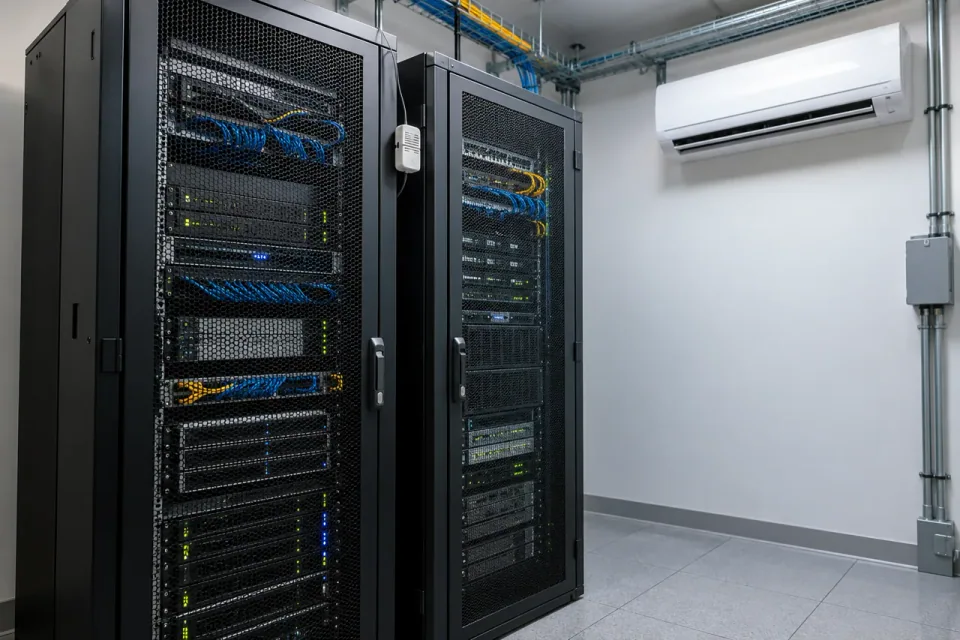
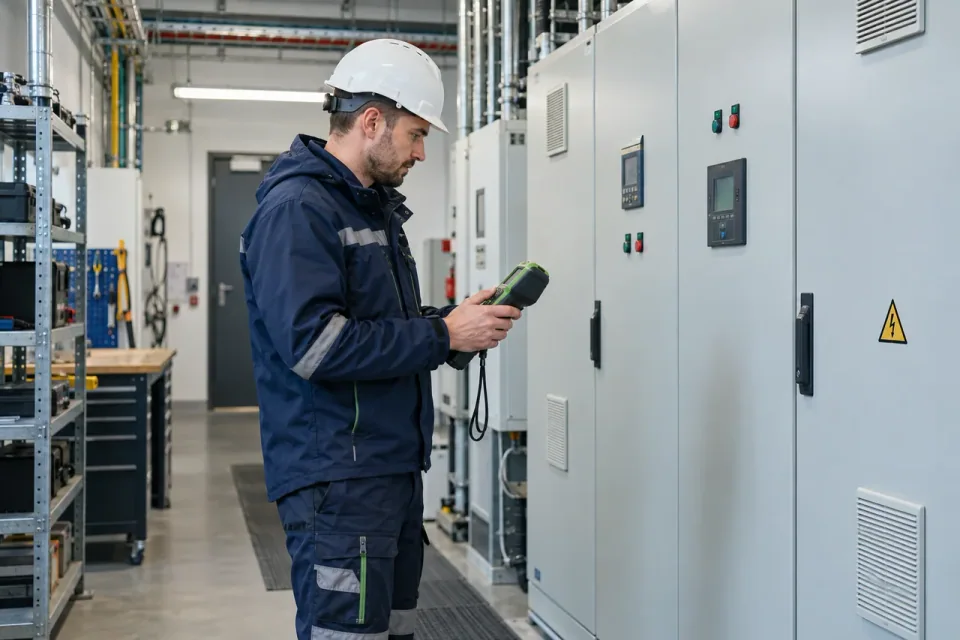
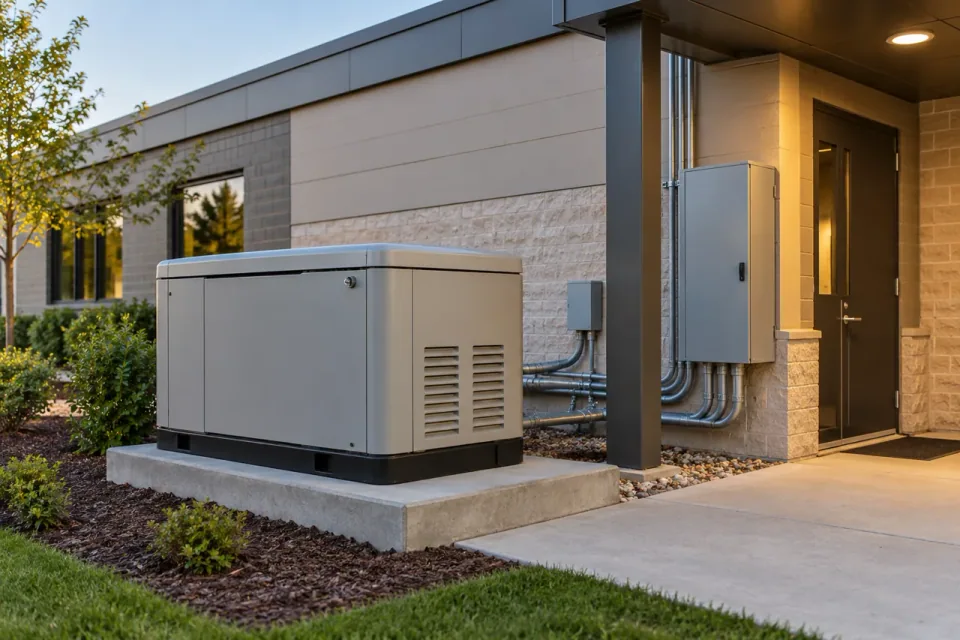
Fire safety systems require coordinated equipment, power supplies and strategy. DATPOL integrates them within the appropriate building-specific scope.
Fire safety through coordinated systems
Fire alarms, voice alarms and smoke control perform different tasks, but must operate consistently with the building's fire strategy. Hospitals and care homes need to consider how areas are used, staff organisation and evacuation arrangements. Our scope extends beyond installing an individual control panel.
We begin with documentation, existing equipment and reported faults. We establish the scope of design, required approvals, installation, commissioning and subsequent maintenance. DATPOL Healthcare develops DATPOL's existing fire safety offer.
What can the DATPOL Healthcare scope include?
Fire alarm systems, detection and alarm devices.
Voice alarm systems and interfaces with other installations in accordance with the design.
Smoke control: panels, vents, windows, actuators and replacement air.
Backup power, inspections, functional tests and integration testing.
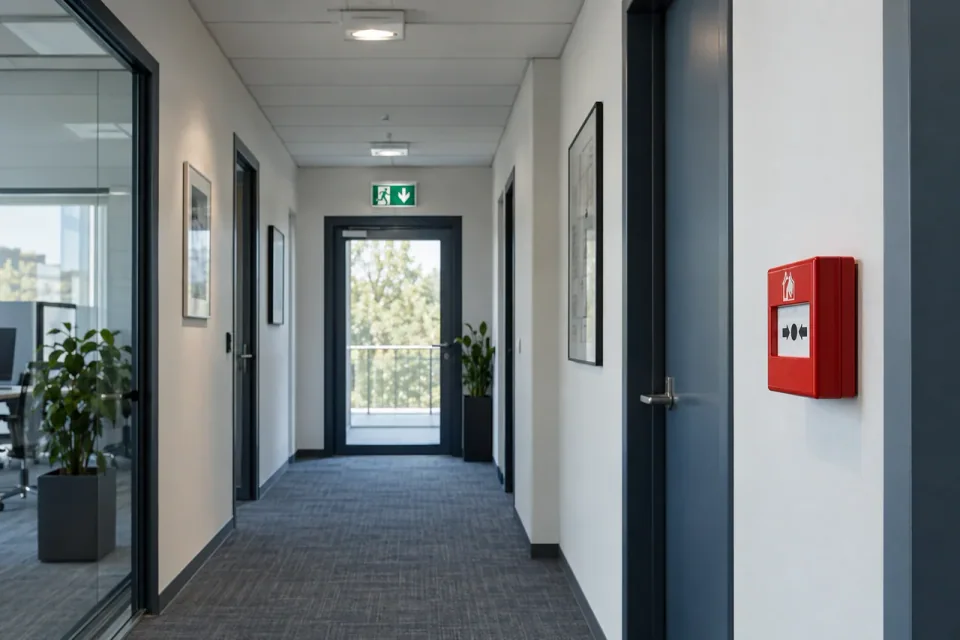
Fire alarms, voice alarms and controls
Fire alarm systems include detection, control panels, alarm functions and available actuator interfaces. Voice alarm systems deliver messages as defined in the building strategy. Controls and dependencies should be documented so that each component's expected response can be checked.
Smoke control requires checking the interaction of the panel, actuators, vents or windows, replacement air and backup power. A correct response from the panel alone does not prove that an actuator reaches the required state.
Inspections, shutdowns and integration tests
Work in an operating facility requires agreed protection arrangements and responsibilities during temporary shutdowns. Inspection timing and scope follow from the documentation, applicable requirements and equipment-specific arrangements.
Integration tests compare how an installation operates against its strategy. Results and discrepancies must be recorded, linked to specific components and assigned for further action. A screen of green icons alone does not replace acceptance testing.
Technical monitoring and maintenance
Available fault, power and equipment status signals can be included in the agreed technical monitoring. The local control panel, required alarm functions and appropriate signalling transmission retain their roles. The infrastructure portal is not a replacement for them.
Within maintenance support, we organise documentation, work history, the list of shutdowns and responsibility for restoring readiness. Changes to equipment or building use require reassessment of their impact on the system.
A PRACTICAL FIRST STEP
What should you prepare for a discussion?
- The facility type and location, and the people responsible for each area.
- Documentation for existing equipment and installations, where available.
- A description of problems, previous failures and the intended outcome.
- Access restrictions and permitted dates for work and testing.
- The existing maintenance scope and contacts for relevant suppliers.
- Planned changes to equipment or working arrangements.
Questions before working together
Does the monitoring portal replace the fire alarm control panel?
No. Technical monitoring does not replace the local control panel, appropriate alarm functions or required signal transmission.
Where does defining the scope begin?
With an assessment of existing systems, documentation and the impact on the facility's work. We agree objectives, access, responsibility and acceptance criteria before selecting a solution.
Can only part of an existing system be upgraded?
Yes, where the installation's condition, documentation and equipment compatibility allow it. We first check limitations, phases and the conditions for carrying out the work safely.
Can the system be covered by a maintenance service after the work?
We agree inspections, monitoring and fault handling separately. Support hours, on-call cover and response times follow the contract, not merely the system's presence in a portal.
Related DATPOL service: Fire alarms, voice alarms and smoke control.